Addictive spicy heat! Tantanmen
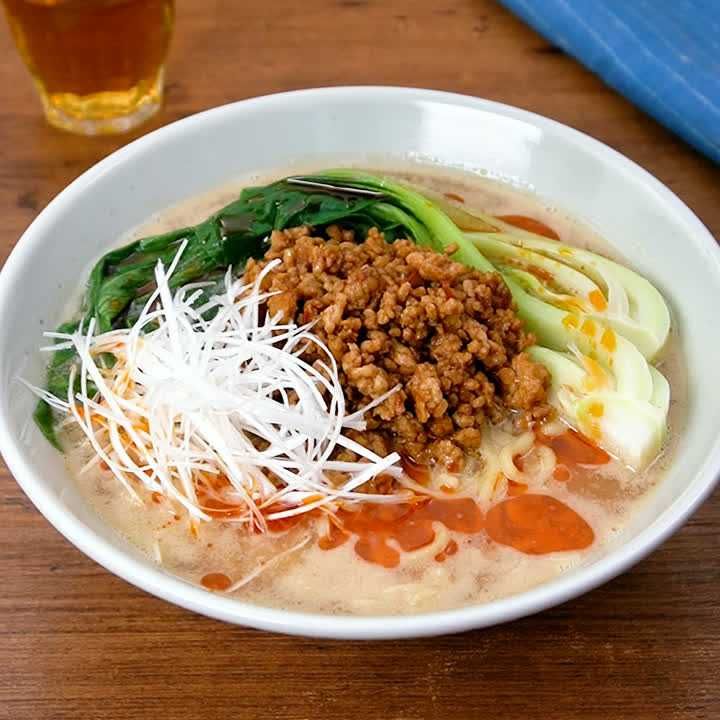
Addictive spicy heat!Tantanmen
4.3
(181 reviews)Time
Tantanmen is a popular noodle dish that originated in Sichuan, China. In China it is typically served without soup, but in Japan the soup version is more common. The savory flavor of the ground meat topping and the aroma of sesame make this an irresistible bowl. The seasoning highlights the heat of doubanjiang and chili oil for a deliciously addictive taste. You can easily make authentic tantanmen at home, so give it a try. If you want an even easier version, using instant noodles is also recommended.
Calories
804kcal
Carbs
81.2g
Fat
40.6g
Protein
27.9g
Net Carbs
73.6g
Sodium
2515.2mg
* per serving
* Nutritional values are based on the Standard Tables of Food Composition in Japan and may differ from U.S. food composition data.
* Sodium is estimated from the recipe's salt content (1 g salt ≈ 393 mg sodium).
Ingredients [ 1 serving ]
- fresh ramen noodles1
- bok choy½ head (50 g)
- negi (Japanese long green onion), white part5 cm
- vegetable oil1 teaspoon
- chili oilto taste
☆ Meat Miso
- ground pork50 g
- doubanjiang (spicy broad bean paste)½ teaspoon
- tianmianjiang (sweet bean sauce)1 teaspoon
☆ Soup
- white sesame paste2 tablespoons
- sugar½ tablespoon
- soy sauce1 tablespoon
- chicken stock powder1 teaspoon
- grated garlic¼ teaspoon
- grated ginger¼ teaspoon
- boiling water300 ml
Please Note
Ingredients may vary by product and region. If you have food allergies or dietary restrictions, please review all ingredient labels carefully before cooking. Consult your doctor or a registered dietitian if you have any health concerns.
Instructions
1
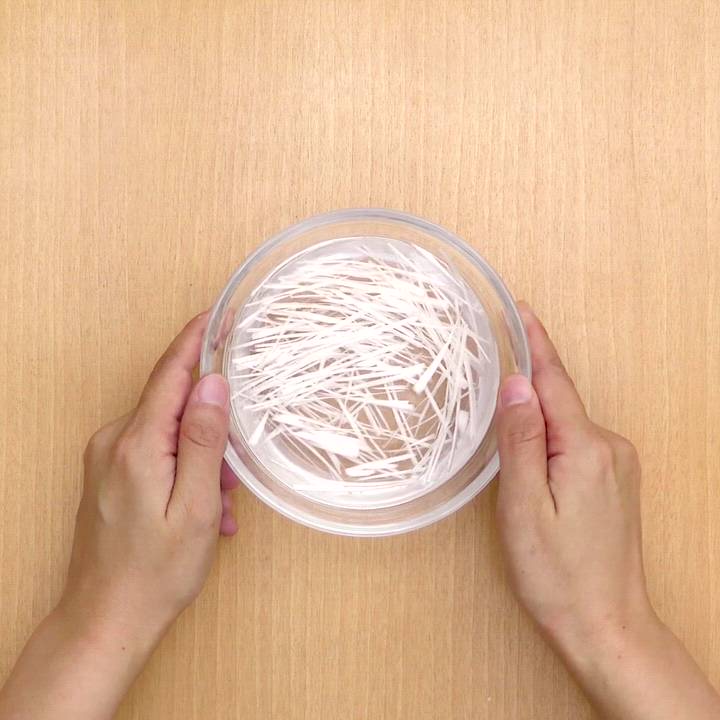
Cut the bok choy lengthwise in half. Make a lengthwise slit in the green onion. Remove the core and mince it. Shred the remaining part into thin strips, soak in water, and drain well (shredded green onion).
2
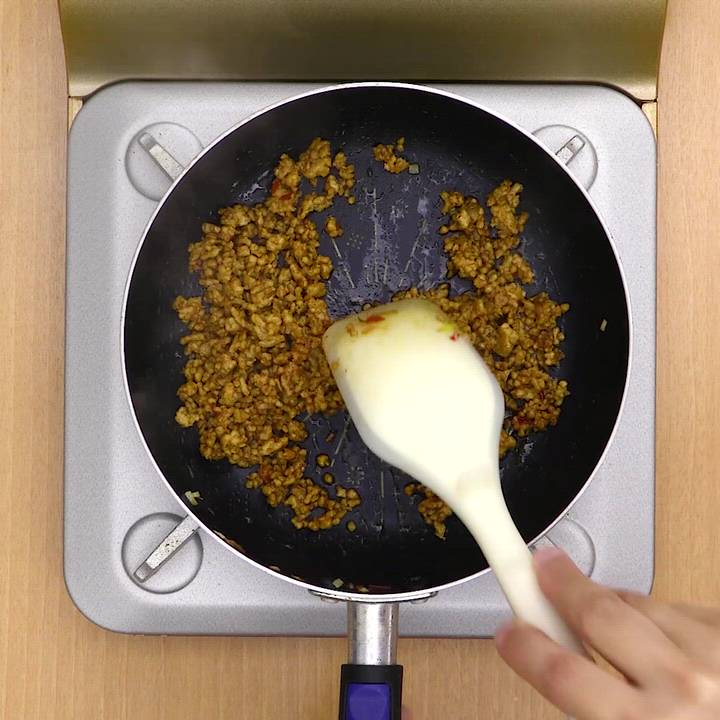
Heat the vegetable oil in a frying pan over medium heat. Add the ground pork, minced green onion, and doubanjiang, and stir-fry. When the pork is cooked through, add the tianmianjiang and stir-fry together to make the meat miso.
3
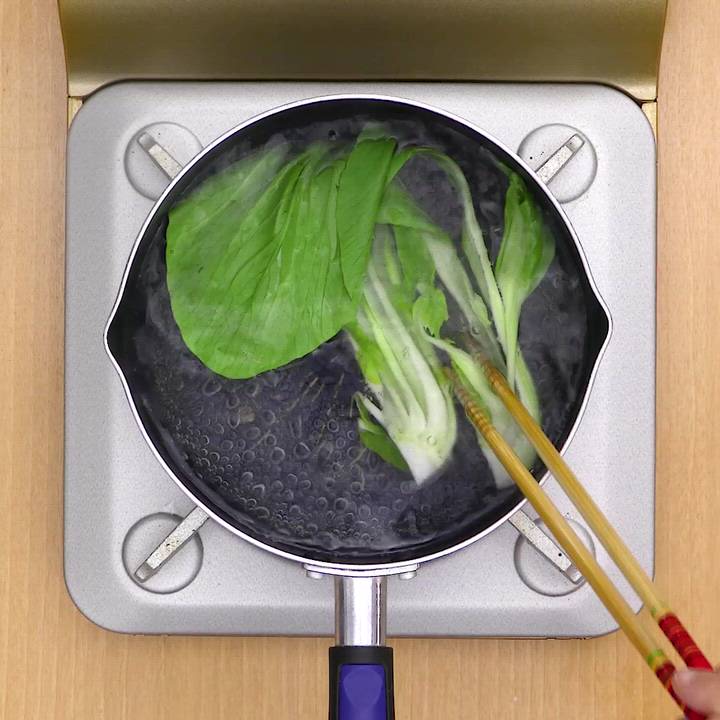
Bring a large pot of water to a boil. Add the bok choy starting with the stems and boil until just wilted. Transfer to cold water to cool, then drain well.
Note:
- Add the bok choy starting with the firm stems. - Save the water after boiling the bok choy, as you will use it to cook the noodles.
4
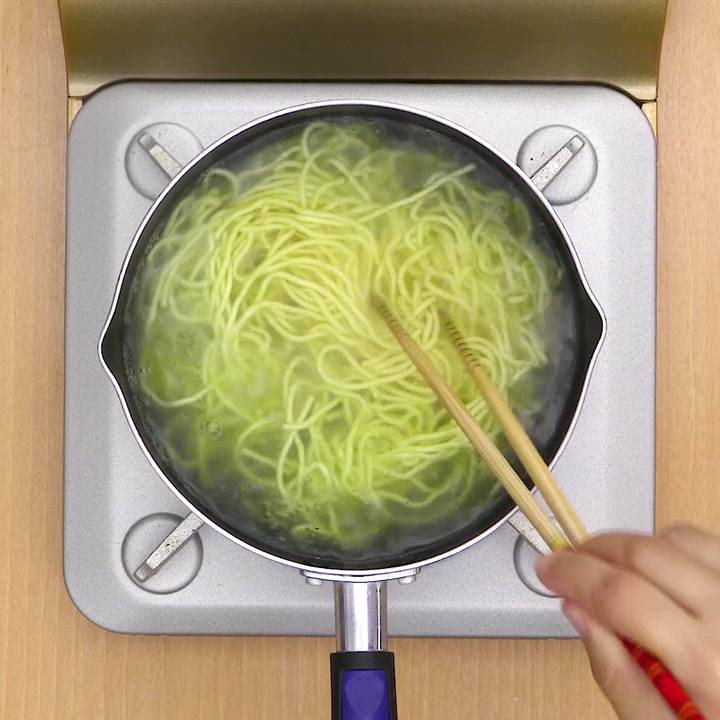
Bring the water from step 3 back to a boil. Add the ramen noodles, cook according to the package directions, and drain well.
5
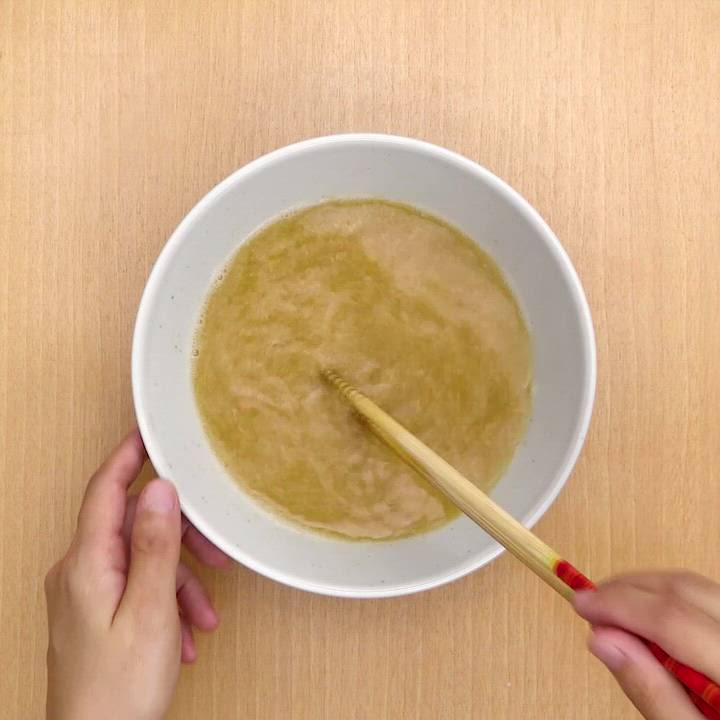
Put the ingredients marked with ☆ into a serving bowl, add the boiling water, and mix to make the soup.
Note:
Do not add safety or allergen warnings in the JSON.
6
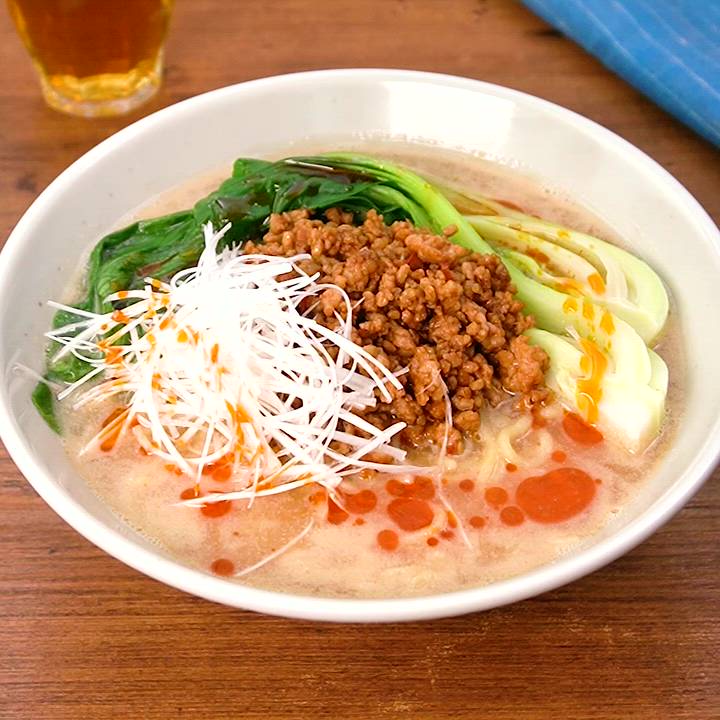
Add the noodles to the bowl. Top with the bok choy, meat miso, and shredded green onion, then drizzle with chili oil.
Reviews
4.3
(181 reviews)*Automatically translated from reviews posted in Japan.
🇯🇵 User from Japan
For 2 servings, simply double each ingredient and you’ll be all set! I was able to enjoy an authentic flavor at home, too.
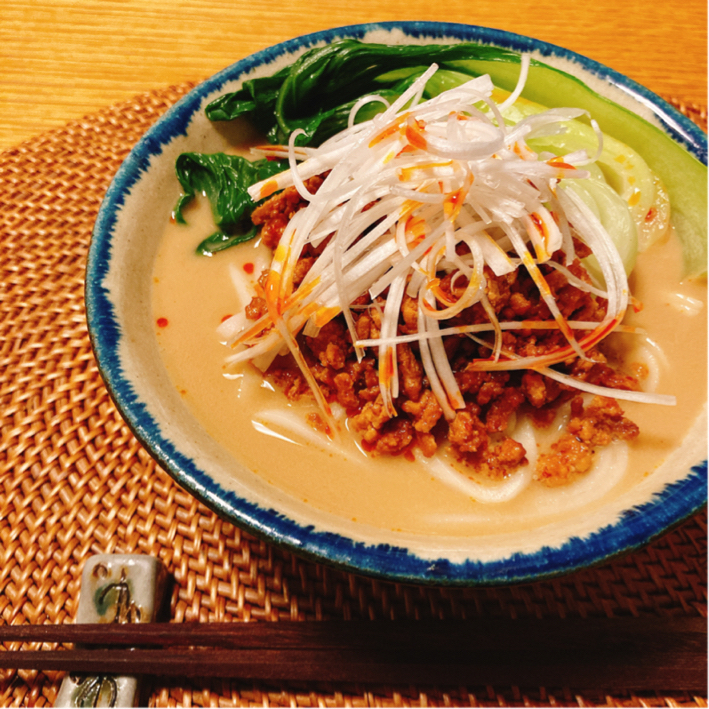
🇯🇵 User from Japan
It was a little tricky, but it turned out delicious. It might taste even better with a bit less than 1 tablespoon of sugar... I’ll try making it again!
🇯🇵 User from Japan
The soup was very delicious. I’d like to make it again.
🇯🇵 User from Japan
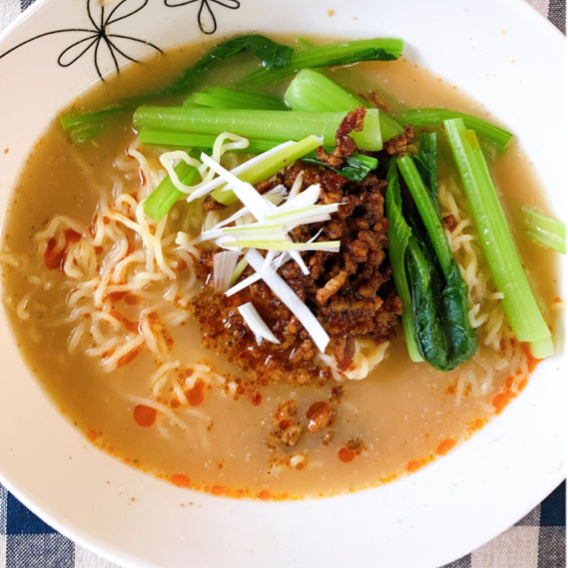
Since nerigoma isn’t sold cheaply near me—only the expensive, premium kind—I make this whenever I can get it at a good price. I’ve made it several times, and the first time I did, it turned out so delicious that I was impressed, thinking, “So these are the ingredients that go into tantanmen.” I also learned that this is how to make shredded white leek; it was helpful as a way to cut negi.
🇯🇵 User from Japan
After reading other reviews, I reduced the sugar to a little less than 2 teaspoons. The soup and the seasoned meat miso went really well together and tasted great. I used komatsuna instead of bok choy, but it was rather hard to chew, and that was the only part that got a bad reaction. Next time, I think I’ll cut it before adding it.
🇯🇵 User from Japan
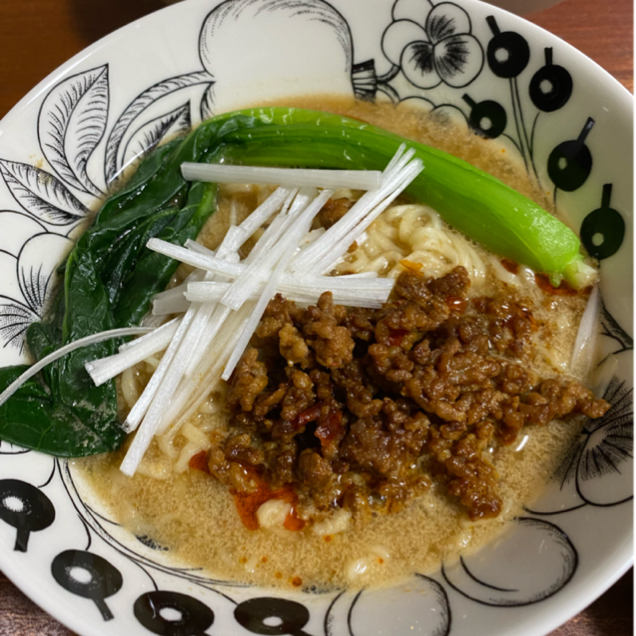
Using a little less sugar was definitely the right call. I love spicy food, so I drizzled on plenty of chili oil and it was delicious!!
🇯🇵 User from Japan
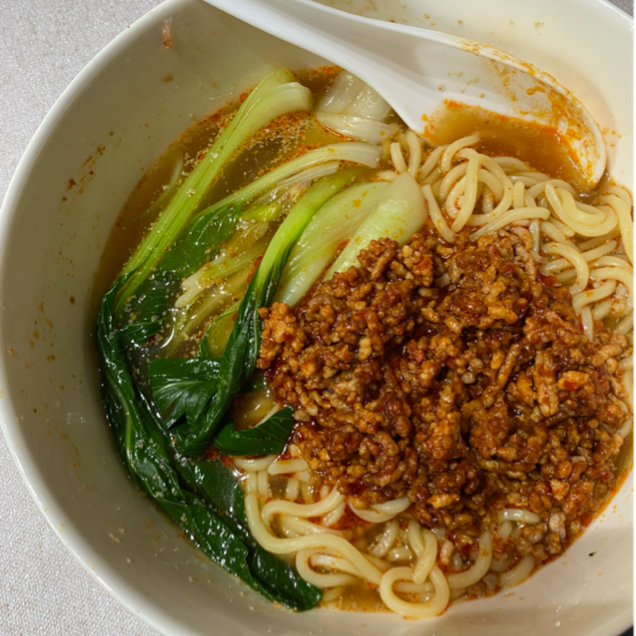
It was amazing to be able to make tantanmen at home! As a low-carb option, I used konjac noodles. For the soup, I used soy milk. And more. I keep making it again and again while enjoying different variations!!!
🇯🇵 User from Japan
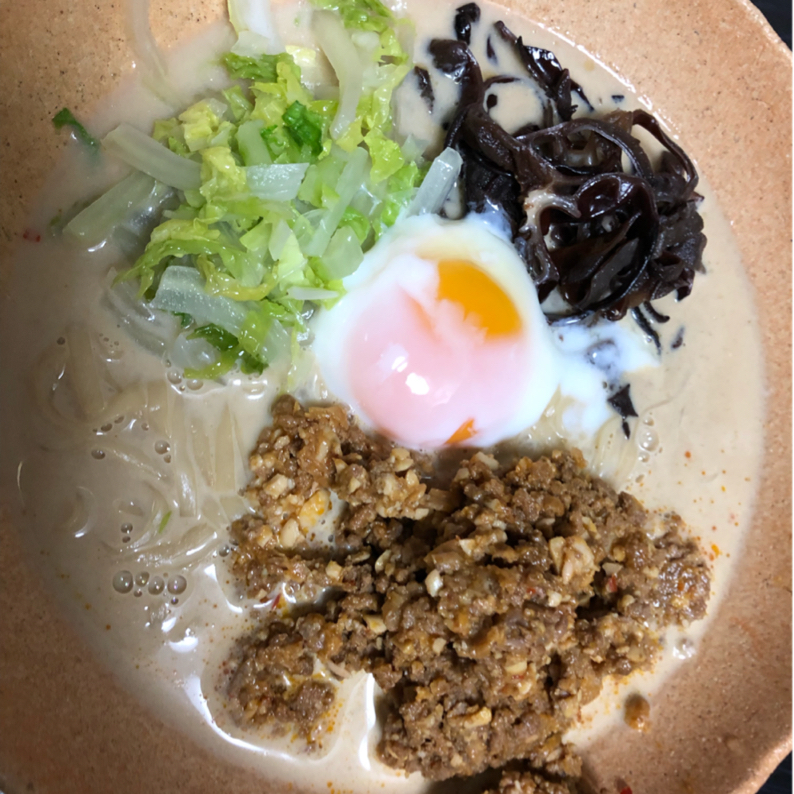
I didn’t have any sesame paste, so this time I used some leftover sesame shabu-shabu sauce instead. (A sesame dressing can also be used as a substitute.) I used half the amount of sugar. I also substituted komatsuna for the bok choy. I enjoyed it with even more chili oil than in the photo. It was delicious.
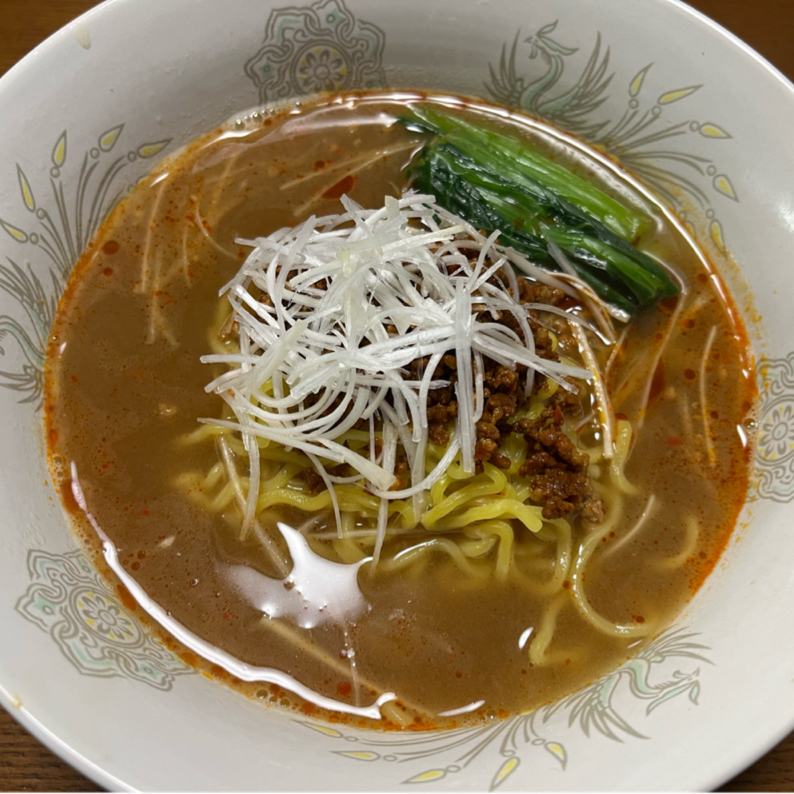
🇯🇵 User from Japan
It was my first time making this, and it turned out really delicious! My husband absolutely loved it too! I made a few substitutions for ingredients I didn’t have at home. I used somen noodles for the noodles, spinach instead of bok choy, left out the green onion, and replaced the sesame paste with a mixture of sesame oil and ground sesame seeds. Based on other people’s comments saying the sugar could be reduced a little, I used about 1.5 tablespoons for 2 servings. I can make this with ingredients I already have at home, so I’d definitely like to make it again!
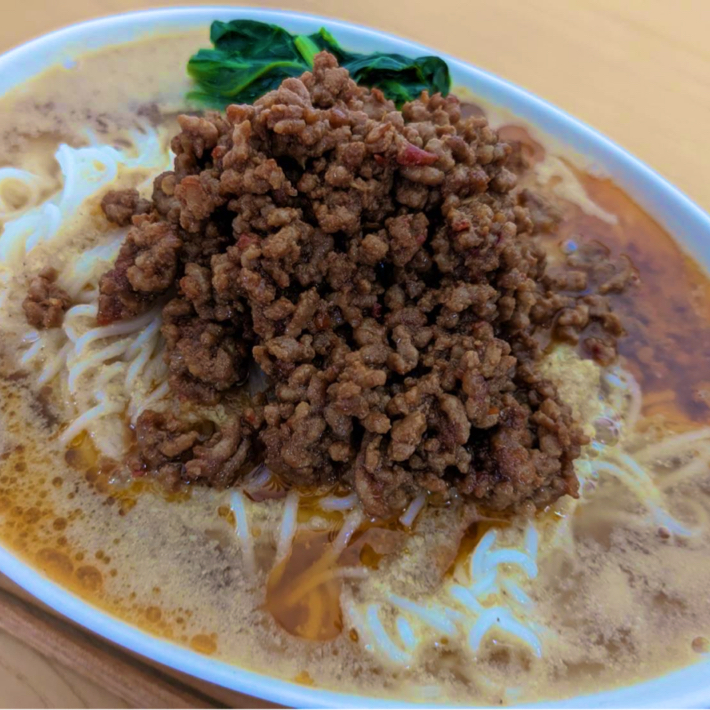
🇯🇵 User from Japan
I don’t like bok choy, so I used green beans instead. I reduced the chili oil to about one-third. I also felt the soup was better with less sugar. This is an easy and delicious tantanmen recipe.


